
The Shift Towards Digital Fabrication in Shipbuilding is undergoing a quiet revolution. With growing demands for faster production and higher precision, the industry is turning toward digital fabrication. Digital fabrication in shipbuilding refers to the use of advanced manufacturing tools like CNC machines and laser cutting systems to automate, accelerate, and refine the construction process—especially during hull assembly.
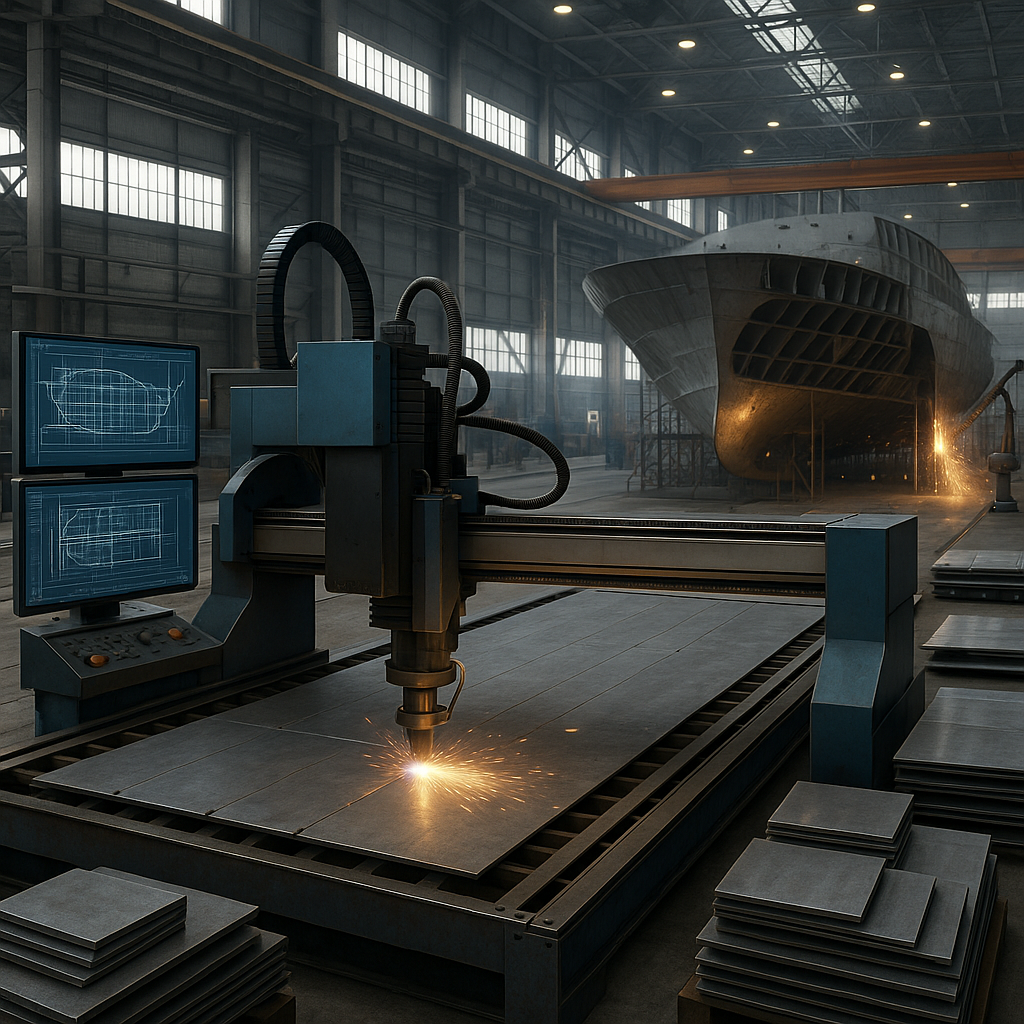
Understanding the Role of CNC Machines in Hull Construction
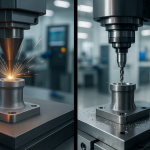
CNC (Computer Numerical Control) machines are now a common sight in modern shipyards. They transform design blueprints into physical components with unmatched precision. In hull construction, CNC machines are used to cut steel plates, drill connection points, and bevel edges—all based on CAD/CAM data. The result? Repeatable accuracy, faster workflows, and minimal material waste.
Laser Technology: Cutting Through Traditional Barriers
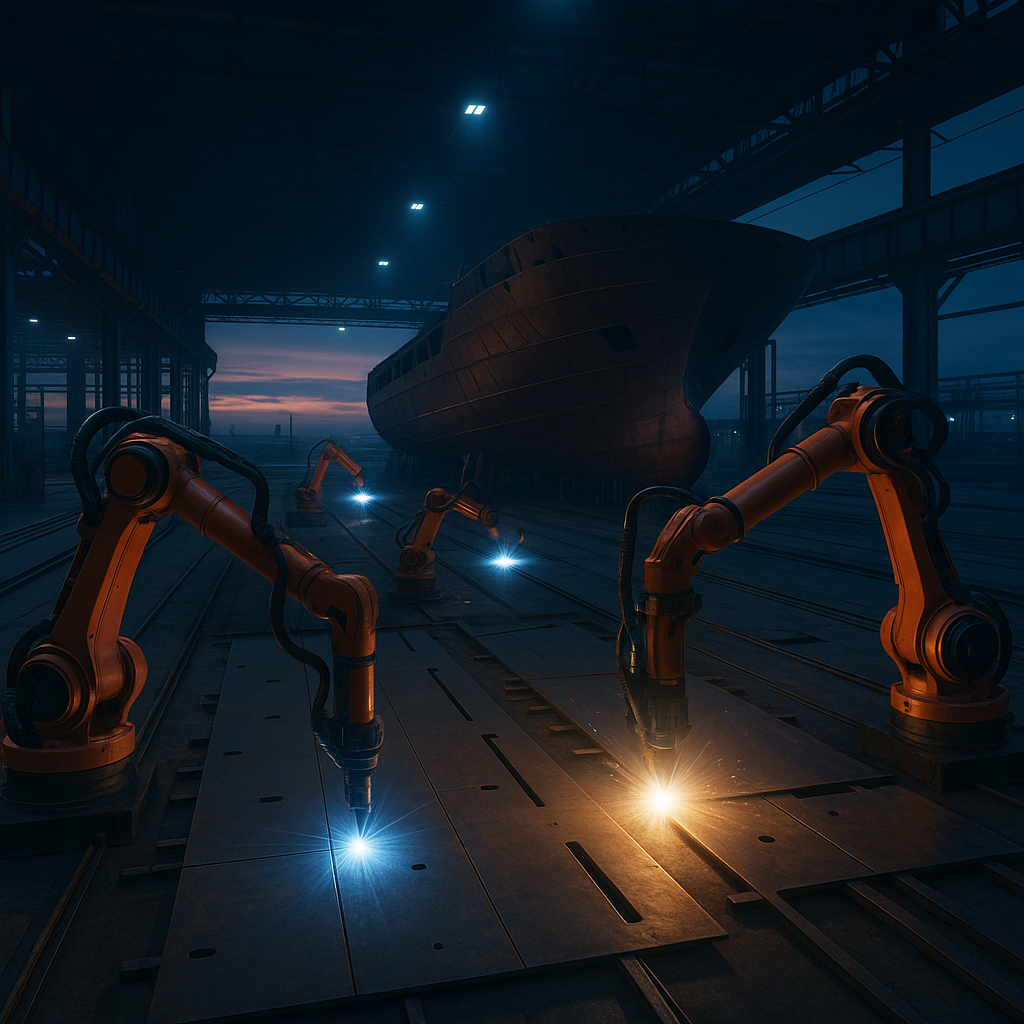
Laser cutting and welding systems are another critical piece of the digital fabrication puzzle. Unlike traditional flame or plasma cutting, laser tech offers high-speed processing with pinpoint accuracy. In shipyards, lasers are used to cut thick steel sheets, mark serial numbers, and perform clean welds with minimal distortion. This not only enhances build quality but also reduces rework.
Integrated Processes for Faster Hull Assembly
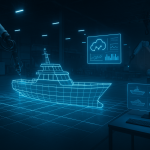
The real transformation lies in integration. When CAD software, CNC machines, and laser tools work in sync, the entire hull assembly becomes faster and more efficient. Engineers can feed digital models directly into CNC or laser systems, cutting down on human error and reducing turnaround time. Shipbuilders like Meyer Werft and Hyundai Heavy Industries are already leveraging such digital ecosystems.
Benefits to Shipyards and Marine Manufacturers
Adopting digital fabrication brings significant advantages:
- Faster production timelines through automated cutting and welding
- Improved build quality due to precise, repeatable processes
- Reduced labor and costs, with fewer manual interventions
- Enhanced safety by limiting human exposure to hazardous environments
Challenges and Considerations
Despite the clear benefits, digital transformation is not without challenges. High initial investments in CNC and laser equipment can be a barrier, particularly for smaller shipyards. Additionally, integrating these systems with older legacy technologies and upskilling the workforce requires strategic planning and training.
Conclusion: The Future of Hull Assembly in the Digital Era
CNC and laser technologies are redefining hull fabrication in shipbuilding. While challenges exist, the payoff in terms of efficiency, accuracy, and scalability is too significant to ignore. As more shipyards embrace digital fabrication, the future of hull assembly looks cleaner, faster, and smarter.