
1. Introduction
You use electricity every day—but do you know what controls it all? Whether it’s your home, office, or industrial facility, the entire electrical system depends on one vital component: the Electric Panel. Found in almost every building, this box-like unit plays a powerful role in managing how electricity flows safely and efficiently.
We often take electricity for granted—flicking on lights, powering appliances, running air conditioners—all without considering the silent work being done behind the scenes. The Electric Panel, also referred to as an Electrical Distribution Board, is the command center of your electrical system, ensuring everything runs smoothly and safely.
2. What Is an Electric Panel?
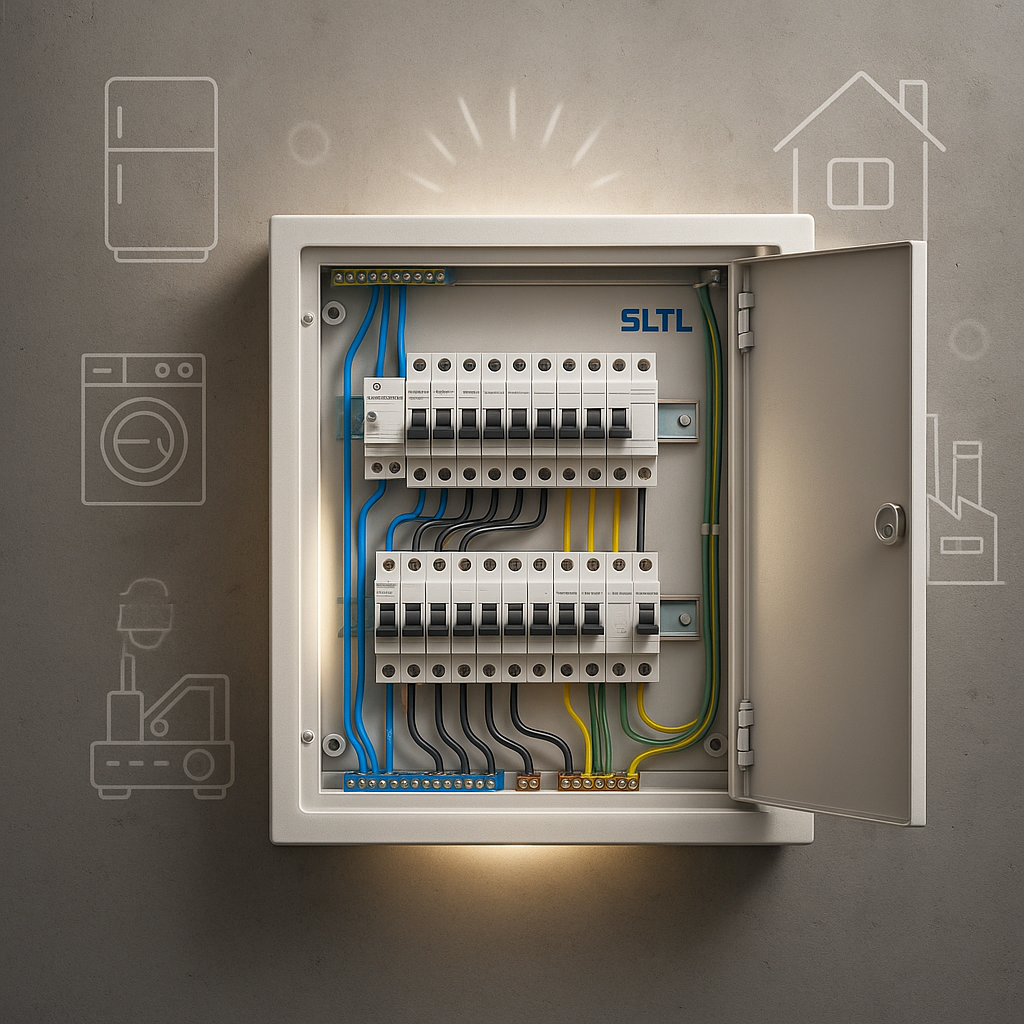
An Electric Panel, also known as an Electrical Distribution Board, breaker panel, switchboard, or distribution box, is the central hub for electrical circuits in any property. It gets power from the main power line and supplies it to various sections or appliances through circuit breakers.
Key components of an Electric Panel include:
- Main breaker – regulates the whole power supply coming into the panel
- Circuit breakers – individual switches that control power to specific areas or devices
- Bus bars – metallic strips or bars that conduct electricity within the panel
- Neutral and ground wires – ensure electrical balance and safety
These components work together to monitor, distribute, and safeguard the electrical flow throughout a building. Without this critical infrastructure, even a simple light bulb would become a hazard.
3. How Does an Electric Panel Work?
Electricity enters the Electric Panel from the utility company’s power line. The main breaker regulates the overall power entering your building. It acts as a master switch that can shut down the entire system when needed. From the main breaker, the current flows into bus bars, which distribute it across multiple circuit breakers.
Each circuit breaker controls power to a particular zone—such as your living room, kitchen, or a specific industrial machine. If there is too much power drawn from one circuit, the breaker trips, cutting off electricity to prevent overheating, fires, or damage.
So in simple terms, your Electrical Distribution Board functions like a vigilant traffic controller—managing, organizing, and regulating the flow of electricity.
4. Types of Electric Panels
Different spaces require different kinds of Electric Panels, based on their voltage needs and functional requirements. Here’s a breakdown:
- LT Panels (Low Tension):
- Handle voltages up to 1000V
- Common in homes, offices, and light commercial buildings
- Simple, cost-effective, and easy to install
- HT Panels (High Tension):
- Used in large industries and infrastructure projects
- Designed for high voltage (above 1000V) distribution
- Require more safety features and robust design
- Distribution Panels:
- Found in large buildings or campuses
- Distribute power to multiple smaller panels or loads
- MCC (Motor Control Centers):
- Central control units for multiple motors
- Widely used in manufacturing plants, pump stations, and processing units
- PLC Panels (Programmable Logic Controller Panels):
- Automated control panels used in industrial automation
- Execute logic-based functions and monitor complex systems
- VFD Panels (Variable Frequency Drive Panels):
- Control the speed and torque of electric motors
- Improve energy efficiency in HVAC, pumps, and conveyors
These different Electrical Distribution Boards are custom-built to suit unique use-cases across sectors.
5. Why Is an Electric Panel So Important?
An Electric Panel is not just a switchboard—it’s the heart of your electrical system. Its importance extends beyond simple control; it ensures safety, efficiency, and reliability:
- Acts as the central control unit for all your electrical operations
- Prevents electrical danger of short circuits and overloading
- Protects appliances, machinery, and wiring systems from damage
- Ensures continuous power supply without interruptions
- Plays a key role in optimizing energy usage and reducing electricity costs
Think of the Electrical Distribution Board as a guardian—one that stands between you and potential electrical disasters.
6. Common Issues That Happen Without a Proper Panel
When the Electric Panel is outdated, poorly maintained, or improperly installed, it can lead to a host of problems:
- Frequent power outages due to insufficient load handling
- Short circuits and fires from overloaded wires
- Damage to expensive equipment like computers, refrigerators, or machinery
- Increased energy bills due to inefficient distribution
- Non-compliance with building and safety codes, leading to legal and insurance issues
Many fire incidents in residential and industrial areas have been traced back to faulty Electrical Distribution Boards—highlighting just how essential they are.
7. When Should You Upgrade or Replace an Electric Panel?
Over time, even the best panels can become obsolete. Here are clear signs it’s time to upgrade your Electric Panel:
- Your panel is over 15–20 years old
- Breakers trip frequently—even with normal usage
- The panel doesn’t support new high-load appliances or industrial machinery
- You’re using too many extension cords or power strips
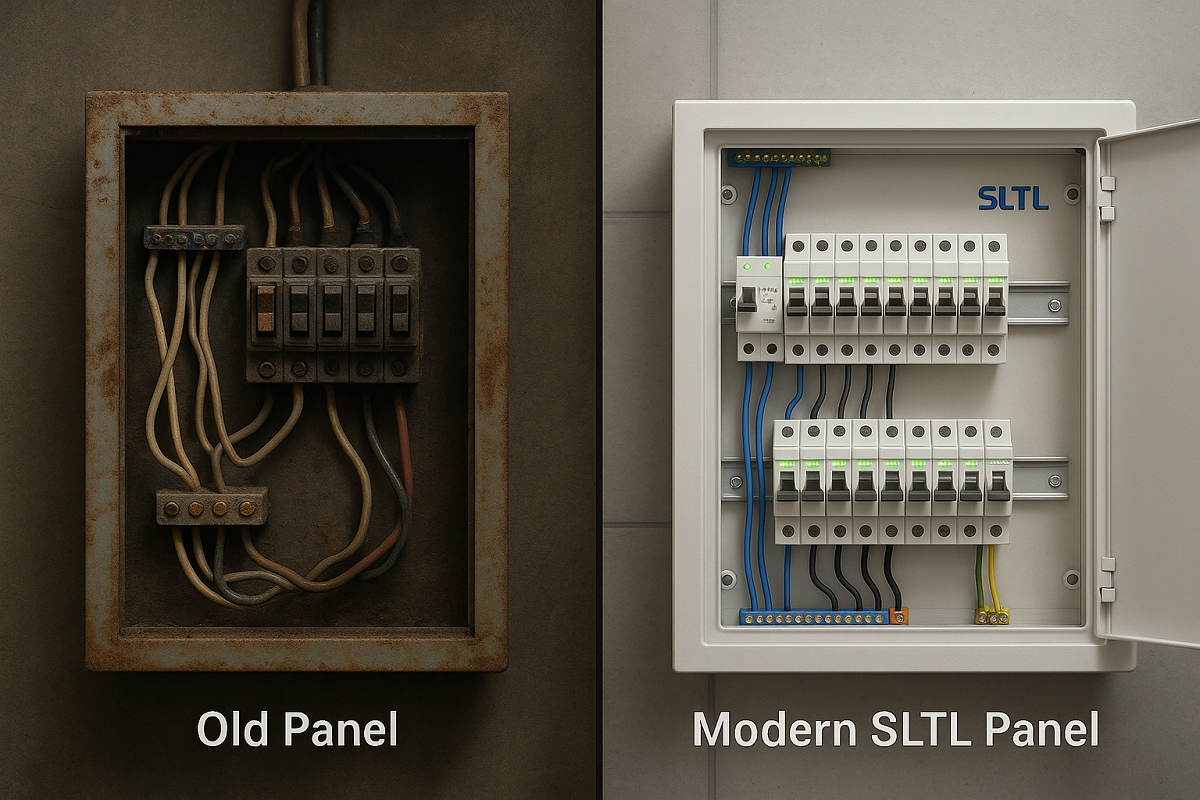
- There’s visible damage—like corrosion, rust, burning smell, or buzzing noises
An upgraded Electrical Distribution Board not only enhances safety but also accommodates future growth, such as solar panels, EV charging stations, or automation systems.
8. Final Thoughts
To wrap it up, the Electric Panel is the unsung hero of any electrical setup. It quietly powers your daily life, shields you from danger, and keeps your systems running without a glitch. Whether you’re managing a home, retail outlet, or industrial plant, choosing the right Electrical Distribution Board and maintaining it well is essential.
With advancements in technology and increasing energy demands, having a modern, well-configured panel is more important than ever.
Looking for a panel solution for your facility? Get in touch with SLTL today. A well-designed and reliable Electric Panel could be the smartest investment in your building’s safety and efficiency.